Where the Light Is: Anne Carson's Nobel Prize Win, Synesthesia, and Book Bans
Plus, Cormac McCarthy's new biography. (A peek at the WLS newsletter.)
Published November 19, 2026



In my undergrad studio art minor, I had an obsession with light and shadow in nearly everything I turned in. I plot my books using a light-shadow balance (the said vs. the unsaid), and wholeheartedly love any author who revolves around similar thematic fascinations.
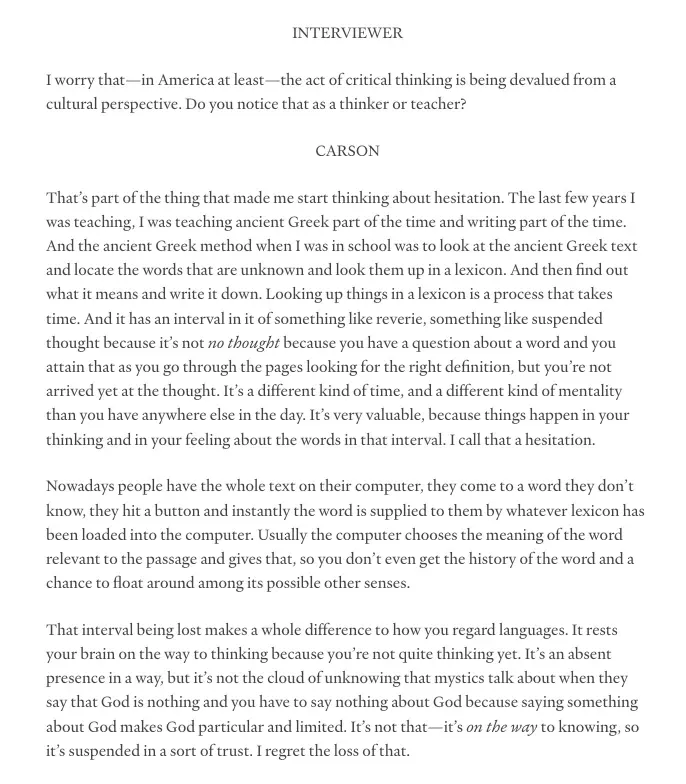
Anne Carson, who won the Nobel Prize for Literature this last week, said similarly in an interview with Kate Dwyer (whose books reporting I always love) for The Paris Review:
Anne Carson, as I put in my Red Doc> review, loves to get a little weird; her books and poetry are angsty, stunning, and strange:
“I respect and adore Anne Carson. She takes risks, and I appreciate how playful she is with language even when she is, quite frankly, bizarre.”
Like many others, I encountered her first in the verse novel Autobiography of Red, my favorite of the books I read in an English class in college. The book is a collection of prose poems centered around Geryon, the red monster of mythological fame.
In that class, I wrote my favorite academic paper of all time (which proves to me—in hindsight—my constant refrain that I actually should have been a psych major) on distinguishing between metaphorical vs. neurological synesthesia. I love analyzing the way we collapse sensory impressions into writing and other art forms, and discovered the field of neuroaesthetics long after graduating.
From my essay, "Neurological vs. Literary Synesthesia in Anne Carson's Autobiography of Red":
“Literary synesthesia can either transition ideas from 'lower' to 'higher' senses, or vice versa, with varying effects. For example, the shift of a synesthetic sentence from more differentiated senses to less differentiated senses generates tension. The shift of a synesthetic sentence from less differentiated senses to more differentiated senses indicates clarity, or delayed categorization, which can provide insight into the way a character makes sensory connections within his mind.”
I need to read more Anne Carson, but she may be more difficult to find in the coming days. Seeing the number of Autobiography of Red fans come out of the woodwork has been beyond lovely, and I’m excited for others to discover how playful and cutting her work can be at the same time.
Side note: If you are a lover of this work, I think the closest book I’ve read to it in spirit is an absolutely underrated title that feels equally singular and unique: A History of Glitter and Blood by Hannah Moskowitz. Take a chance on it.
From Autobiography of Red to Biography
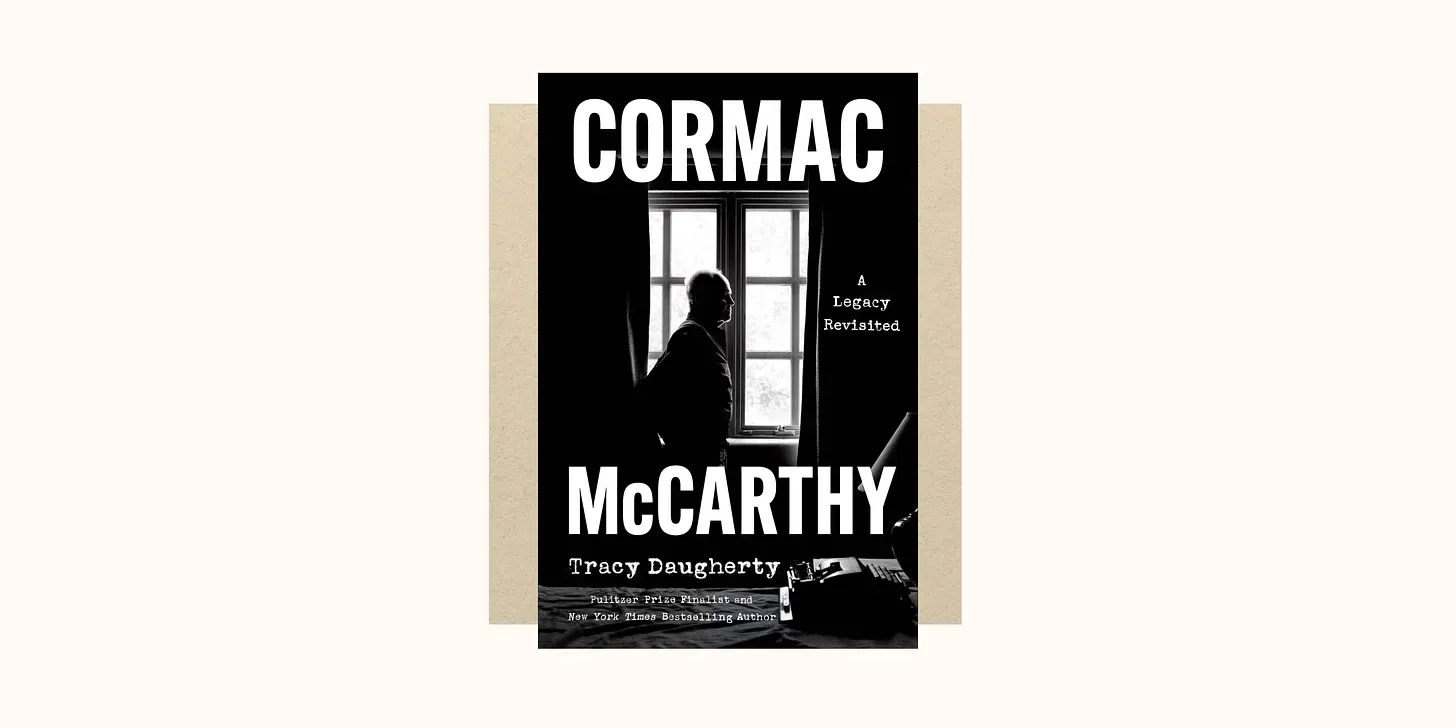
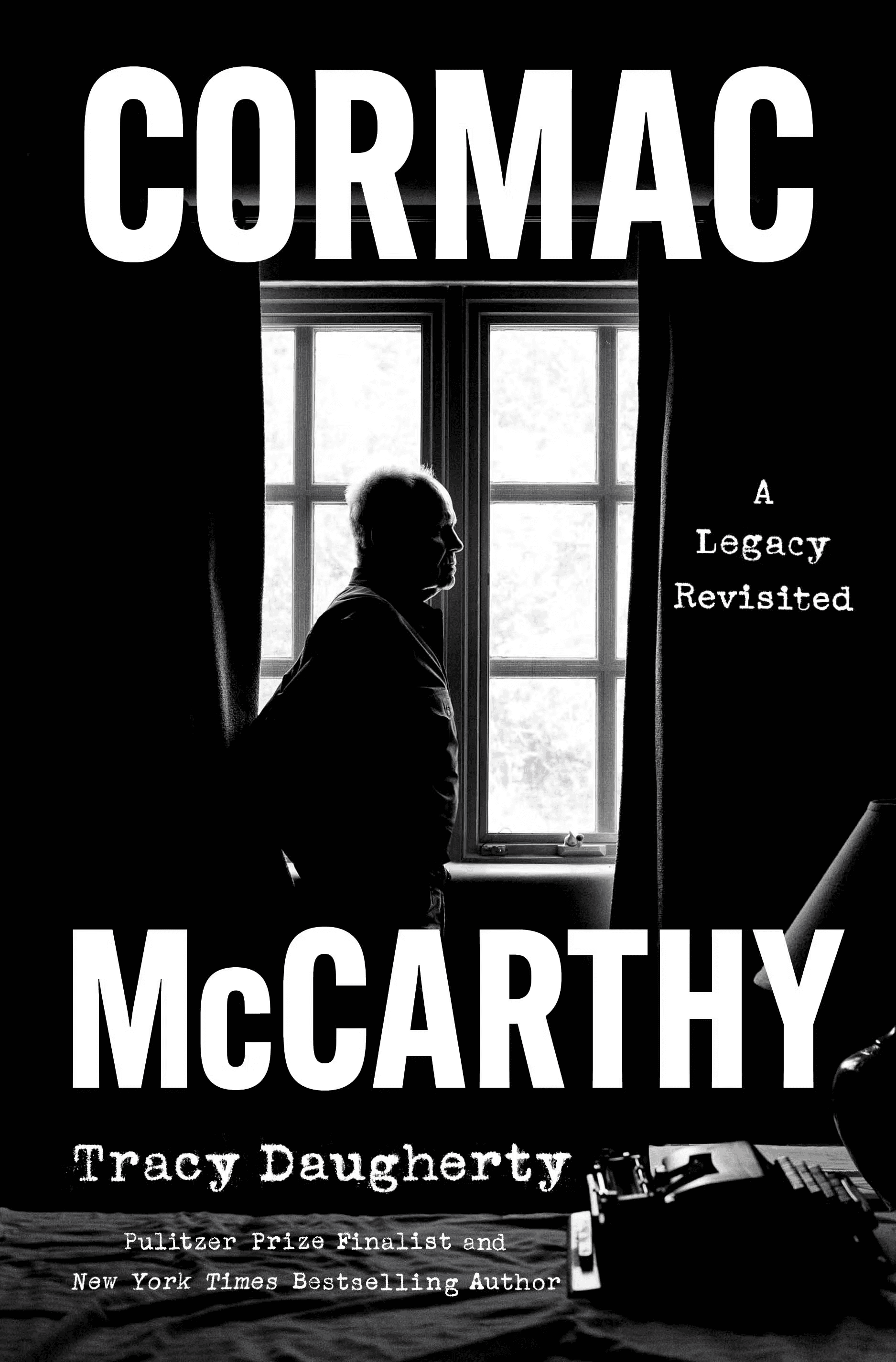
Speaking of the shadows, I have a long voice note unpacking how Cormac McCarthy uses them in Blood Meridian that I’ve never posted. This week, I scooped his biography—as I’ve learned in the last two years that I deeply appreciate writer biographies, like the Pulitzer Prize finalist True Nature: The Pilgrimage of Peter Matthiessen—along with some other reads I’m itching to get to.
I unpacked each of these in a book haul including some greats. “Dad gift” for the holidays? I think so.
Book Reviews I've Published Lately
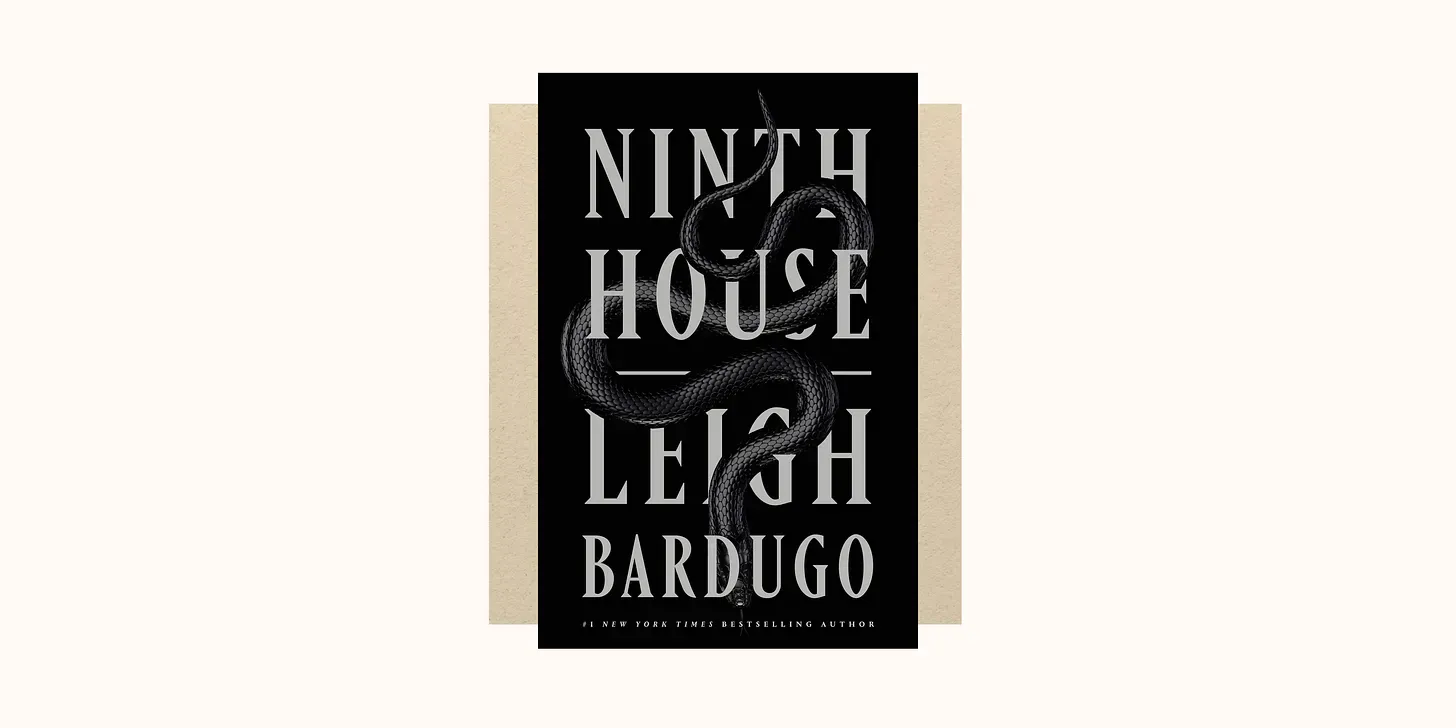
Leigh Bardugo released the third book in her Ninth House dark academia series this fall. It was also just Banned Books Week, and Ninth House tends to be the subject of a lot of these “content warning” discussions because her debut novel was YA—meaning she often gets misshelved. The book itself feels dark and gritty to me: atmospheric and desolate.
This year, after reading the horrifying stat that book bans have surged because of AI auto-flagging titles, I’m wondering about the expectation for content warnings now. Should we be labeling books if it makes them more susceptible to contextless bans? Book bans are worse than ever already.

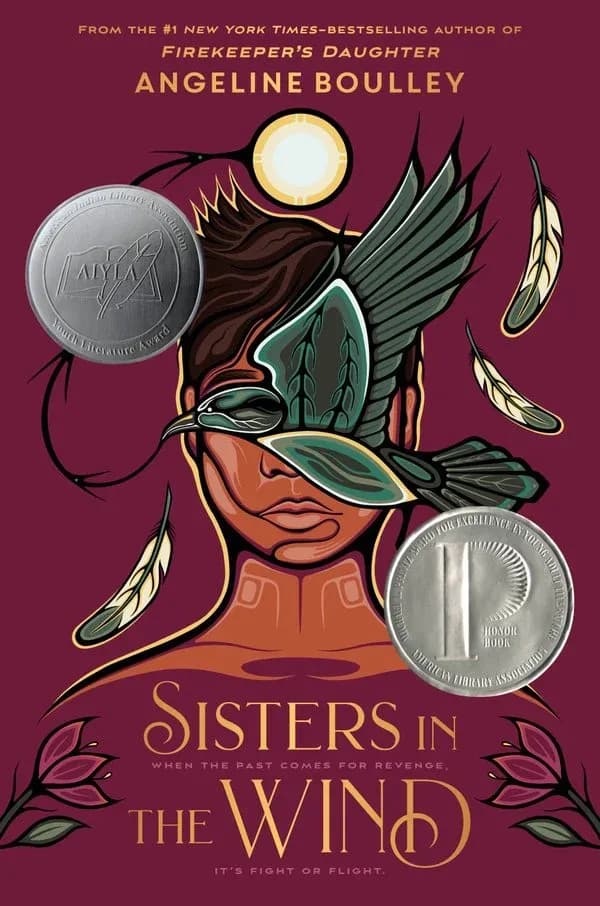
I also reviewed Angeline Boulley’s Sisters in the Wind, which I mentioned loving last week, and recorded a voice note review for A Heart in a Body in the World by Deb Caletti, which I will be continually shoving onto everyone.
I have a healthy backlog of voice note reviews at the moment thanks to the severity of my insomnia in 2026, but managed to edit and release one for Fallen by Lauren Kate, a throwback Gothic that felt appropriate for October eeriness. Because it’s been a beat since my last, my audio editing’s not quite as good, but I wanted to chat “dark and stormy” reads.
Audio, Audio, Other
To kick off the fall, I talked about alarm songs and some music that makes me want to be on a ski slope or in a dance studio.
Relatedly: I also wrote for the first time about dancing and location which—lo and behold—connects back to my fascination with embodiment and the senses. See also: funding and re-valuing the arts.
“Dancing is my most 'pure' hobby, in that unlike my others—reading, calligraphy, studio art, travel—I cannot translate it into my day job work much. It balances out my brain in a way that I need (as I think a lot about the role of motion and how tricky it is for books to translate the kinesthetic into words.) I can talk about how dancing makes us happy and connected, how I’m eager to craft a world in which the arts are appropriately funded and supported, but I’m unlikely to throw my entire self into dancing at any given point.”
These all connect together in my head in a way I should mind map, but for now, I’ll leave y’all with an anticipated read of mine and some brilliant discussion between Kate Dwyer and Anne Carson, both of whom I deeply respect.
As I wrote,
"My [digital minimalism reading] pillar ranges from the very preachy cultural writing to the gritty science of the development of the smartphone and how that’s rippled into the fabric of childhood. It can veer into the development dimension, like Fortesa Latifi’s reporting on family influencers. There’s what I refer to as the Calvin and Hobbes childhood, mourning the loss of in-real-life connection and third spaces, which is more of a spatial look at embodiment. (Again, I will always read about embodiment.)
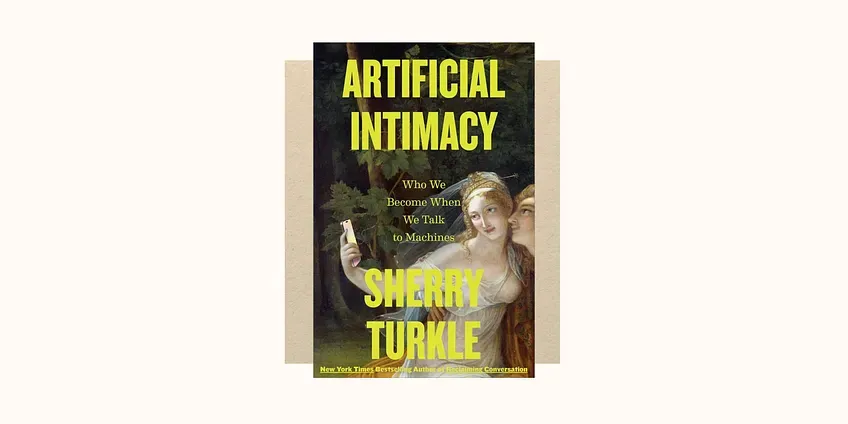
Artificial Intimacy is really about the flattening of relationships, so I’m under the impression it’s going to go into topics like chatbot psychosis and linguistic shifts. My friend in journalism, T.M. Brown, wrote a great article the other day about how we as a culture should to be very careful in how we talk to AI, and it’s definitely weighing on our minds.
…Even now, it’s being reported that the way people talk to their AIs has actually changed the way people talk in person. Corporate jargon has always been a thing, but it’s especially hit those spaces where AI use is heaviest.
I’m very excited to read Artificial Intimacy, because I really liked Alone Together, her book about phones and technology. Two years ago, I loved Nicholas Carr’s Superbloom, which felt like the most recent volume consolidating the most recent network effects of technology, and I’m hoping Turkle’s volume would be the 2026 equivalent."
As noted, I've been severely under the weather lately, so wanted to share a newsletter excerpt in the meantime. Anne Carson won the Nobel Prize a few weeks ago by now, but I am somehow still battling a flu.